Research & More
Explore our Research Projects
Explore the cutting-edge research projects being conducted by our team, dedicated to advancing our understanding of dementia and improving the lives of those affected. These studies investigate a range of critical areas, from early detection and prevention strategies to innovative treatments and supportive care models. Learn more about our research and its potential impact on the future of dementia care.
Research Projects:

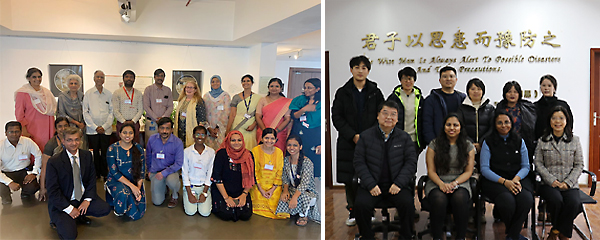
Title: The impact of bilingualism on cognitive reserve/resilience using socio-demographically and linguistically diverse populations
Funding: National Institutes of Health/ National Institute on Aging (R01AG080469)
Principal Investigators:
• Dr. Suvarna Alladi, Department of Neurology, NIMHANS, Bangalore
• Dr Boon Lead Tee, Department of Neurology, University of California, San Francisco
• Dr. Sid O'Bryant, Institute for Translational Research, UNT Health Science Center, Texas
• Dr. Ganesh M Babulal, Department of Neurology, Washington University, St. Louis
Co-investigators:
Dr. Faheem Arshad, Dr. Girish N Rao, Dr. Rose Dawn Bharath, Dr. Maria Luisa Gorno Tempini, Dr. Maria Luisa Mandelli, Dr. Julio C Rojas-Martinez, Dr. Melissa Petersen, Dr. Prashanthi Vemuri, Dr. Clara Li
Project period: May 01, 2023 - March 31, 2028
Summary:
Alzheimer’s disease (AD) is the most common form of dementia, impacting millions of people globally. Despite the advancements in understanding fundamental biological constructs of AD and the fact that the global population of bilinguals has outnumbered monolinguals, our understanding of the impact of bilingualism on dementia remains limited. Previous bilingualism studies suggest that the bilingualism impacts cognition, delays the onset of dementia symptoms and reduces the prevalence of dementia itself. However, the mechanisms underlying these effects are largely unknown. The overarching goal of this study is to directly interrogate the neural and sociocultural aspects of bilingualism across multiple racial/ethnic groups, with specific emphasis on deconstructing the links between bilingualism and AD. To accomplish this, the University of California, San Francisco Alzheimer's Disease Research Center in California, the National Institute of Mental Health and Neuro Sciences in India, and the Health and Aging Brain Study- Health Disparities study in Texas will jointly assemble one of the largest, multicultural, multilingual, and well-characterized cohort of 2,200 individuals representing the world’s most commonly spoken languages: Chinese, Spanish, Kannada, and English languages. This study team will collect cross-sectional data on cognition, brain imaging, blood biomarkers, language background, and social determinants of health (SDOH), and follow-up language, SDOH, and cognitive data for three years. We intend to build a theoretical framework on the cognitive role of bilingualism by deconstructing bilingualism and examining its features via a multidimensional lens.
We will examine the inter-relationship of this multidimensional bilingualism construct with cognition and SDOH using structural and functional magnetic resonance imaging and dementia blood biomarkers. Our central hypothesis is that specific bilingualism features would influence the cognitive trajectory by improving executive control through the mechanism of brain and cognitive reserve even after accounting for SDOH and dementia biomarkers. This proposed study will provide novel mechanistic insights into the multidimensionality of bilingualism and create an exclusive opportunity to study the cognitive relevance of bilingualism using socio-demographically and linguistically diverse cohorts. This study also has the unique settings to evaluate the generalizability of the proposed cognitive-bilingualism theoretical framework across populations that differ in sociocultural, demographic, and linguistic background.
Title: Project Title: Karnataka Brain Health Initiative: A Public Health Model for Neurological Disorders
Funding Body:
Department of Health and Family Welfare, Government of Karnataka
Period:
Pilot Phase: 25th January 2022 to 31st March 2023
State-wide implementation: July 2023 – Present
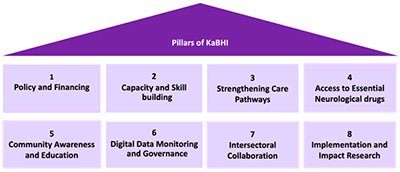
The Karnataka Brain Health Initiative (KaBHI) is a first-of-its-kind public health program launched to address the increasing burden of neurological disorders in Karnataka, India. It was developed as a collaborative effort between the Department of Health and Family Welfare, Government of Karnataka, and the National Institute of Mental Health and Neuro Sciences (NIMHANS), in consultation with NITI Aayog, to integrate evidence-based neurological care across primary, secondary, and tertiary healthcare levels. The initiative aligns with the World Health Organization’s (WHO) Intersectoral Global Action Plan on Epilepsy and Other Neurological Disorders (IGAP) and serves as a model for national and global neurological healthcare strategies.
As a major milestone, KaBHI has established 32 Brain Health Clinics (BHCs) across Karnataka, ensuring that specialized neurological care is available at the district level. These clinics serve as nodal centers for screening, diagnosis, multidisciplinary treatment, rehabilitation, and referrals, bridging the gap between primary healthcare facilities and tertiary-level neurological care
Key Achievements:
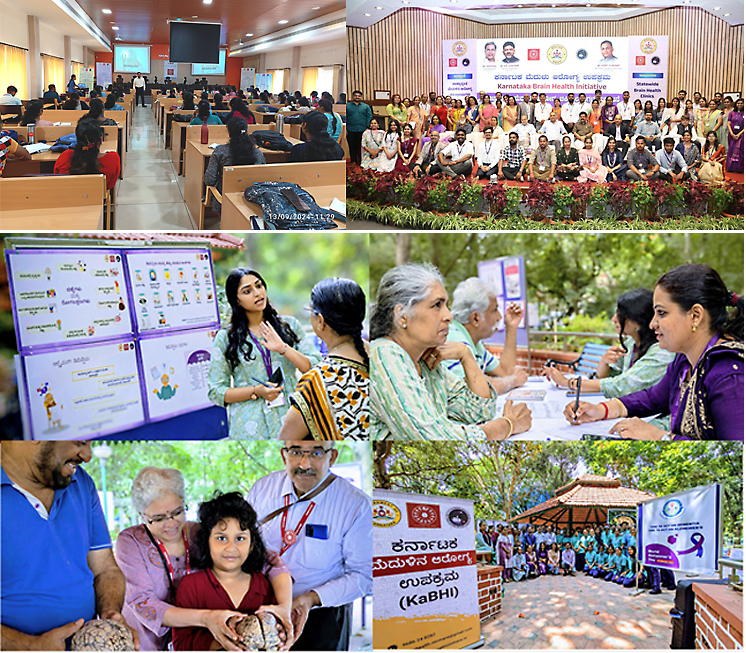
KaBHI has achieved remarkable progress in its efforts to strengthen neurological healthcare delivery in Karnataka. Between January 2024 and December 2024, the initiative screened 2,65,562 individuals, identifying 34,628 cases of neurological disorders. These individuals benefited from multidisciplinary care, including 35,243 nursing interventions, 24,578 psychological consultations, 23,183 physiotherapy sessions, and 6,857 speech-language pathology (SLP) sessions. KaBHI has also made significant steps in telehealth and digital health integration, conducting 89 Tele-neurology consultations, 54 Tele-mentoring sessions, 298 Tele-monitoring sessions, 44 Tele-ICU interventions, and 108 Tele-rehabilitation sessions, ensuring specialized care is accessible even in remote areas. Capacity-building initiatives have been pivotal, training 1,611 Medical Officers at Primary Health Centers, 3,359 Community Health Officers, and 3,997 Accredited Social Health Activists to enhance early detection, management, and referrals for neurological disorders. Public awareness programs have reached 165,036 individuals through 1,563 activities, supported by mass media campaigns and community events promoting brain health and early diagnosis. KaBHI’s development of neurological disorder registries for stroke, epilepsy, and dementia highlights its commitment to data-driven decision-making and better patient outcomes.
Global Impact & Future Directions
KaBHI has been acknowledged as a model of care by the National Task Force for Brain Health and presented at the Launch of World Health Organization (WHO) IGAP Implementation Tool Kit. The initiative continues to expand its reach, integrate with national health programs, and enhance community-based neurological care.
Pictures: Attached
Website Link: https://brainhealthnimhans.in/
List of Publications:
1. Mailankody, P., Parthasarathy, R., Randeep, D., Rao, G. N., Paplikar, A., Johnson, A. N. V., Varghese, F., Govindaraj, S., Shahed, R., Vasudev, A., Boopalan, D., Kulkarni, G. B., Kalkonde, Y., Sinha, S., Alladi, S., & Karnataka Brain Health Initiative (KaBHI) Consortium (2024). Effectiveness of a training program in improving knowledge and skills about selected common neurological disorders among primary healthcare doctors: The Karnataka Brain Health Initiative (KaBHI) in India. Journal of family medicine and primary care, 13(9), 3719–3729. https://doi.org/10.4103/jfmpc.jfmpc_1984_23
Role of Social Interaction and Physical activity in brain health in Frontotemporal Dementia
Funding Body: Global Brain Health Institute
Period: 2021- 2025
This study aims to examine the impact of social interaction and physical activity on brain health in individuals diagnosed with Frontotemporal Dementia (FTD). The project seeks to explore how modifiable lifestyle factors may influence disease trajectory, cognitive functioning, and underlying neurobiological mechanisms in FTD.
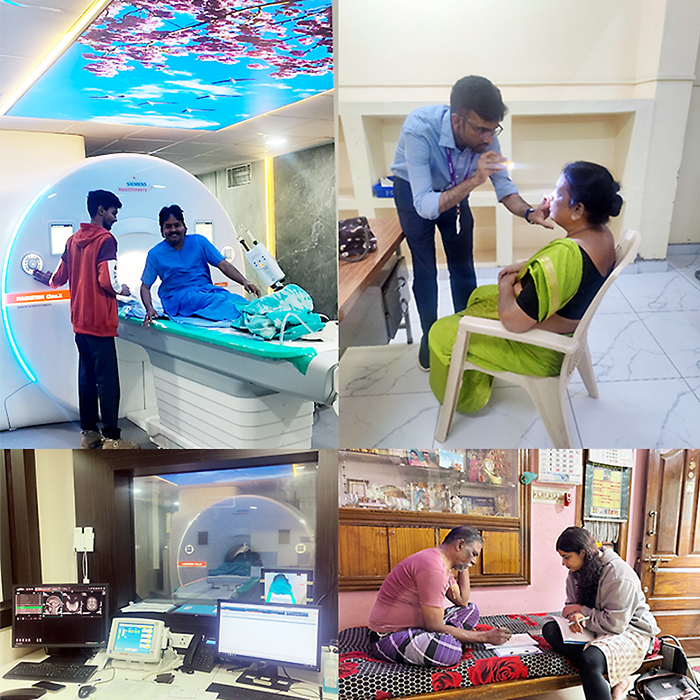
Participants will undergo comprehensive evaluations, including standardized questionnaires assessing levels of physical activity, social engagement, and functional status. These behavioural assessments will be complemented by structural neuroimaging using Magnetic Resonance Imaging (MRI) and the analysis of serum biomarkers associated with neurodegeneration. Through an integrated approach combining behavioural, imaging, and biological data, this study aims to elucidate the potential neuroprotective role of Lifestyle factors in FTD and inform the development of non-pharmacological strategies for disease management and risk modification.
Genetics and lifestyle factors in Frontotemporal Dementia in India (GenFI-India)
Funding Body: UCSF
Period: 2024- 2027
This study aims to investigate the relationship between genetic predisposition and lifestyle factors in the onset and progression of Frontotemporal Dementia (FTD) within the Indian population. Given the clinical and genetic heterogeneity of FTD, the study will involve comprehensive assessments of participants through cognitive assessments, structured lifestyle and behavioural questionnaires, and detailed clinical evaluations. Genetic analyses will focus on known pathogenic mutations and risk variants associated with FTD, while lifestyle data will encompass factors such as physical activity, social engagement, and education.
Neuroimaging and serum biomarker profiling will be incorporated to explore underlying structural and molecular correlates. By integrating genetic, and lifestyle data, this research seeks to identify potential risk modifiers and protective factors specific to the Indian context.
PCARRS Brain
Precision-CARRS (Center for Cardio-metabolic Risk Reduction in South Asia) is a cohort in Chennai and Delhi which has ~15 years of detailed, repeated measures of socio-behavioral, environmental, and vascular/metabolic data. PCARRS Brain is currently focusing on characterizing brain structure and plasma biomarkers to understand risks of developing Alzheimer’s Disease and Related Dementias (AD/ADRD) in individuals who were enrolled in this cohort.
(a) Baseline stored samples is being used to perform plasma AD/ ADRD biomarkers (pTau217, NfL, and GFAP) and whole genome sequencing and (b) At the follow-up examination, plasma AD biomarkers is being assessed and AI-driven digital cognitive measures will be administered; and additional comprehensive cognitive battery, retinal, and neuroimaging will be obtained. Modifiable risk factors (socio-behavioral and
vascular/metabolic factors) associated with the AD/ADRD continuum is being investigated, and a longitudinal machine learning network by employing high-dimensional data will be developed and validated to distinguish AD/ADRD risk.
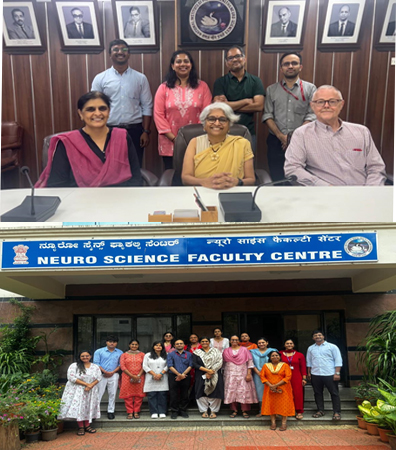
Project Title: Dementia Science Programme: Incidence/ Prevalence/ Risk/ Intervention analysis of dementia and basic research thereof
Funding Body: Department of Biotechnology
Principal Investigator: Dr. Suvarna Alladi, Professor & Head of Neurology
Co-Principal Investigator: Dr. Girish N Rao, Professor of Epidemiology
Period: 2017 -Ongoing
About the project:
Dementia is an emerging public health challenge in India, with millions of elderly individuals affected and an increasing burden expected in the coming decades. The Dementia Science Programme aims to characterize dementia and related disorders across diverse Indian populations through three community -based cohorts and four hospital-based registries.
These study sites, spanning rural and urban communities in North and South India, will help assess the incidence, prevalence, risk factors, and disease progression of neurocognitive disorders (NCDs), including dementia and mild cognitive impairment (MCI). The programme is inclusive of longitudinal community-based studies, hospital-based registries and genetic and biomarker studies.
The National Institute of Mental Health and Neurosciences (NIMHANS), Bengaluru, is a key partner in the Dementia Science Programme (DSP), conducting both community-based and hospital-based studies. The community-based study examines the prevalence, incidence, risk factors, and progression of dementia and mild cognitive impairment (MCI). This hospital-based study systematically registers patients diagnosed with dementia and mild cognitive impairment (MCI), conducts clinical phenotyping of dementia subtypes, examines structural and functional brain changes, investigates dementia-associated genes, and monitors disease progression and treatment response.
Impact and Significance
The DSP study aims to generate evidence-based insights that will support policy-making, early intervention strategies, and the development of dementia-friendly healthcare systems in India. By identifying genetic markers, risk factors, and effective intervention approaches, the programme seeks to improve dementia care, enhance early diagnosis, and foster community awareness.
Through this multi-disciplinary initiative, DSP aims to build a strong scientific foundation for tackling dementia in India, ensuring better health outcomes for the aging population.
Publications:
Venugopal, A., Paplikar, A., Varghese, F. A., Thanissery, N., Ballal, D., Hoskeri, R. M., ... & Alladi, S. (2024). Protective effect of bilingualism on aging, MCI, and dementia: A community‐based study. Alzheimer's & Dementia, 20(4), 2620-2631.
Bhattacharyya, B., Paplikar, A., Varghese, F., Das, G., Shukla, V., Arshad, F., ... & Alladi, S. (2024). Illiterate Addenbrooke’s Cognitive Examination-III in Three Indian Languages: An Adaptation and Validation Study. Archives of Clinical Neuropsychology, acad106.
Venugopal, A. L. (2024). Sex differences in the prevalence of mild cognitive impairment and dementia, and their risk factors, in Bengaluru. Alzheimer's & Dementia, 20, e091143.
Alladi, S., & AADAR Dementia Science Program Research Group, India. (2019). P2‐524: Aadar Dementia Science Program: methodology of a Longitudinal Multicentric and Multidisciplinary Commitment from India for Epidemiology, Clinical Case Registry and Basic Science Research on Dementia and Related Disorders. Alzheimer's & Dementia, 15, P818-P819.
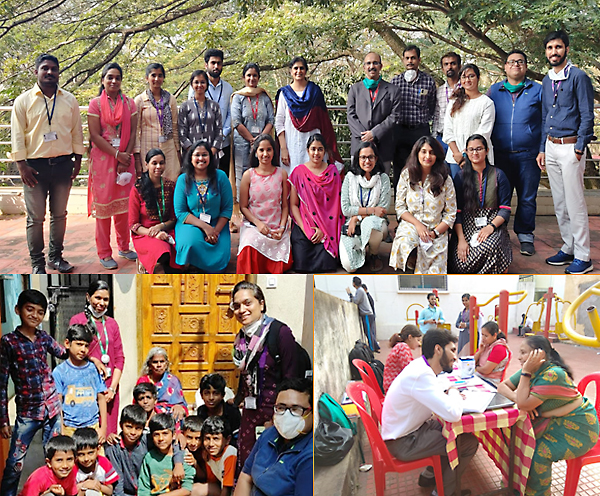
Title of project: “Development of a skill-based neurocognitive testing protocol to assess
cognition and diagnose dementia in a context of complex skills and low literacy”
PI : Prof. Suvarna Alladi, Department of Neurology, National Institute of Mental Health and Neurosciences (NIMHANS), Bengaluru
Co-PIs:
- Dr Atanu Biswas, Professor, Department of Neurology, Bangur Institute of Neuroscience, Kolkata
- Dr. Ramesh Kumar Mishra Professor and Head, Centre for Neural and Cognitive Sciences, School of Medical Sciences, University of Hyderabad, Hyderabad
- Dr. Jamuna Rajeswaran Professor, Department of Clinical Psychology, National Institute of Mental Health and Neuroscience (NIMHANS), Bangalore
- Dr Rose Dawn Bharath, Professor, Department of Neuroimaging and RadiologicalIntervention, National Institute of Mental Health and Neurosciences (NIMHANS), Bengaluru
- Dr. Faheem Arshad, Assistant Professor, Department of Neurology, National Institute ofMental Health and Neurosciences (NIMHANS), Bengaluru
- Dr. Avanthi Paplikar, Associate Professor, Department of Speech and Language Studies, Dr. S. R. Chandrasekhar Institute of Speech and Hearing Bengaluru
- G.Srinithya, Superintendent Occupational Therapist, Department of Neurological Rehabilitation, National Institute of Mental Health and Neurosciences (NIMHANS), Bengaluru
Duration: 3 years
Funding Agency: Indian Council of Medical Research (ICMR)
The ICMR Skill-Based Cognitive project seeks to explore the lives of Indian Artisans who are skill-driven, through ethnographic and phenomenological studies as well as psychological experiments to create culturally relevant and context-sensitive tools for dementia diagnosis.
Artisans, who often possess intricate skills in traditional crafts and trades, engage deeply with their work, blending cognitive, motor, and creative abilities. These mental abilities can change as they age, but traditional dementia diagnostic tools may not fully capture the nuances of how these shifts manifest in their daily lives. Through cognitively driven ethnographic research, the project aims to understand how artisans experience and adapt to cognitive changes, particularly in the context of dementia. This involves immersive fieldwork, including interviews and participant observation, to document how their work, social interactions, and sense of self evolve, especially in cognitive decline.
Alongside the ethnographic approach, psychological experiments will be designed to mimic tasks integral to an artisan's craft, such as pattern recognition or fine motor skill exercises. The project also aims to focus on skill-based populations and understand their level of embodiment with their tools. The project will then use these findings to develop culturally focused diagnostic tools that incorporate meaningful activities from the artisans' lives.
The goal is to create diagnostic instruments that not only improve the accuracy of early dementia detection but also ensure that these tools are aligned with the life experiences and cultural contexts of the individuals they aim to diagnose. The project will involve collaboration between healthcare professionals, artisans, and psychologists to draw inferences that draw a common framework ensuring the tools are scientifically valid and culturally appropriate.
This project aims to offer a more inclusive and contextual framework for dementia diagnosis, providing healthcare professionals with better resources to assess and treat individuals in a way that respects their identity and background. By incorporating artisan perspectives, the project hopes to foster a broader understanding of neurocognitive abilities, showcasing how cognitive decline intersects with cultural practice. This approach could revolutionize the way we diagnose
dementia, encouraging a shift toward more personalized and culturally informed healthcare practices.
Performance Based Assessments: The project also aims to develop and validate function-based assessments that are ecologically valid and independent of literacy bias. Considering functional disabilities as an indicator of cognitive dysfunctions, it forms the need to develop assessments that evaluate cognitive abilities as observed on activities of daily living thereby detect subtle
changes in late life cognition. A scoping review was conducted and three tasks were finalised based on feasibility by a multidisciplinary experts panel ie., Cooking without fire task, Packing a bag for two day trip and Shopping task. The scoring in these tasks are based on observations made in the form of total number of errors made, accuracy and time taken to complete the task. A total of 120 participants took part in data collection of Performance Based Assessment (PBA)
where healthy controls (N=55), MCI (N=25) and dementia patients (N=39) consented to participate. Outcome measures were statistically analysed and it was found that PBA successfully differentiated between CN, MCI and dementia groups. They were also found to be relevant across gender, literacy and socioeconomic backgrounds, supporting their use in diverse
societies like India

Welcome to Dementia Design Studio
Launched on 22nd October 2024, Dementia Design Studio is dedicated to transforming environments to enhance the quality of life for individuals with dementia. Our mission is to create safe, comfortable, and stimulating spaces that promote independence and well-being.
Our Approach
Recognizing the crucial role of physical surroundings in cognitive and emotional stability, we integrate clear wayfinding, sensory stimulation, familiar aesthetics, and functional layouts to reduce confusion, minimize anxiety, and encourage engagement.
What We Do
• Workshop involving all stakeholders for the Dementia Design Studio.
• Qualitative interviews and Focus Group Discussions with 15 to 20 persons living with dementia and their caregivers.
• Development of a manual for persons living with dementia and their caregivers on dementia safe, enabling, and friendly physical environment.
• Systematic review of environmental modifications.
Dementia Burden
• Dementia impairs memory and cognition, making daily tasks challenging. In India, approximately 1 in 14 people aged 60+ are affected.
• The condition impacts productivity, social cohesion, workforce participation, and healthcare reliance, leading to diminished quality of life and loss of functional independence.
Dementia Design Studio Initiative
• Developed by the National Institute of Mental Health and Neurosciences (NIMHANS) in collaboration with Manthan—a research and innovation platform under the Principal Scientific Advisor to the Govt of India—Dementia Design Studio is a pioneering model for dementia care.
• It integrates environmental design, assistive technologies, and intelligent learning systems to enhance support for dementia patients. Additionally, it serves as an incubator for technological innovations, bringing together experts to create solutions tailored to the Indian context.
Funding
Supported by Manthan, the initiative is funded by Lowe’s Services India Pvt LTD, Sri NC Murthy (Chairman, ACM Solutions), and Sri Lakshmi Narayanan (CEO, Cognizant Technology Solutions). It seeks to expand collaborations for further impact.
Technology Partners
NIMHANS has partnered with the International Institute of Information Technology (IIIT)-Bengaluru to launch an incubation program focused on brain and neurological disorders.
This collaboration with healthcare startups aims to design, validate, and implement technological solutions for early diagnosis, monitoring, rehabilitation, continuity of care, and caregiver support for dementia and related disorders.
Scaling the Reach
Implemented across Karnataka through the Karnataka Brain Health Initiative (KaBHI), a public health program in collaboration with the Govt of Karnataka, the studio aims to enhance neurological care across districts. A state-wide dementia registry enables grassroots-level support for underserved populations.
Expected Outcomes
• Improved Quality of Life – Designing dementia-friendly spaces that enhance comfort, safety, and independence.
• Enhanced Caregiver Support – Creating environments that reduce stress and improve patient-caregiver interaction.
• Increased Awareness & Education – Training healthcare professionals, architects, and caregivers in dementia-friendly design.
• Safer & More Accessible Spaces – Implementing modifications to prevent falls, reduce confusion, and aid wayfinding.
• Evidence-Based Design Implementation – Utilizing research-backed strategies for optimizing healthcare and public spaces.
• Stronger Community Engagement – Encouraging inclusive public spaces to foster social interaction and reduce isolation.
Dementia Design Studio is committed to redefining dementia care through innovative design and technology, making a meaningful difference in the lives of individuals and caregivers. Let’s build a world where design empowers every individual.!
Project Title: Health Care Access Innovation Laboratory (HAIL)
Funding Body: NGV Foundation
Period: 2022 - 2025
About the Project
The aim of the Healthcare Access and Innovation Laboratory is to apply epidemiologic and systems engineering approaches to understanding the current status of neurologic disease care in India and developing scalable, low-cost, and digital solutions that facilitate the delivery of timely and appropriate care for patients suffering from these diseases. The efforts of this laboratory will target the following disease processes that are significant sources of morbidity and disability in India namely epilepsy, stroke, headache, dementia, CNS Neoplasm, Traumatic Brain Injury.
However, epilepsy, stroke, headache and dementia are target diseases of the Karnataka Brain Health Initiative (KaBHI), a project that is synergistically undertaken by NIMHANS and the Government of Karnataka to increase community awareness and implement standardized, guideline-based care in primary health care centers across the state of Karnataka.
All three phases of patient interaction with the health care system (community diagnosis/triage/referral, in-hospital or in-clinic care, and post-care follow up and treatment adherence) will be focus areas for the laboratory. Given the significant ongoing efforts of BHI, the primary initiative of the lab will be to characterize patient referral pathways from local communities to NIMHANS. Subsequently, we will attempt to develop a digital referral platform that will utilize existing guidelines to help providers determine the urgency of a given referral, the type of center to which it should be referred, and the requisite imaging workup to be undertaken prior to specialist evaluation. The goal of this project is to expedite patient diagnosis, optimize the appropriate use of finite resources at a specialized tertiary referral care center, and minimize unnecessary patient financial hardship in pursuit of care.
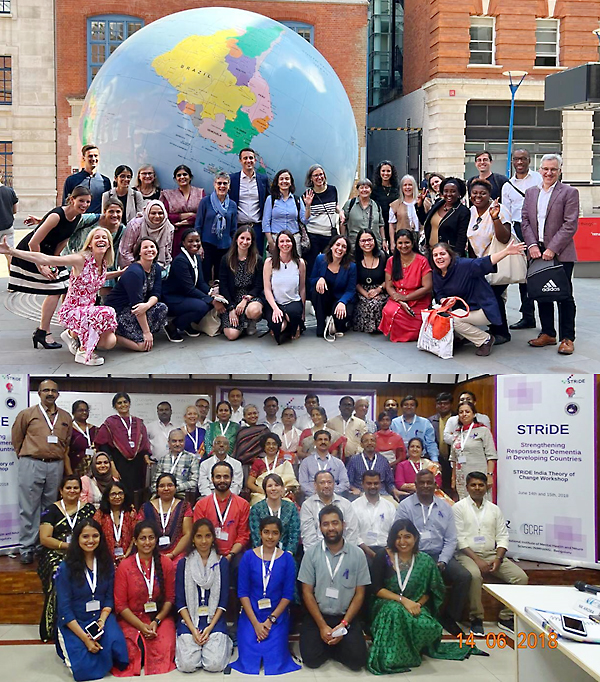
Project Title: Strengthening Responses to Dementia in Developing Countries (STRiDE) India
Funding Body: UK Research and Innovation's Global Challenges Research Fund (ES/P010938/1)
Principal Investigator:
• Prof. Suvarna Alladi – Department of Neurology, NIMHANS, Bangalore, India.
• Martin Knapp – London School of Economics and Political Science (LSE), London, UK.
• Adelina Comas-Herrera – Senior Researcher, London School of Economics andPolitical Science (LSE), London, UK.
• Meera Pattabiraman – Alzheimer's and Related Disorders Society of India (ARDSI), India.
ECR:
• Jayeeta Rajagopalan – Department of Neurology, NIMHANS, Bangalore, India.
• Saadiya Hurzuk – Alzheimer's and Related Disorders Society of India (ARDSI), India.
Period: 2018–2022
About the project:
The STRiDE India project was part of the multinational initiative, STRiDE – Strengthening Responses to Dementia in Developing Countries. It was a collaboration between the London School of Economics and Political Science (LSE), the National Institute of Mental Health and Neurosciences (NIMHANS), and the Alzheimer's and Related Disorders Society of India (ARDSI). Partners from Brazil, Indonesia, Kenya, Mexico, South Africa, and Jamaica also contributed to this initiative, which aimed to build research capacity in low- and middle-income countries (LMICs). The project's primary objective was to improve dementia care, treatment, and support systems, ensuring that people living with dementia could live well while alleviating excessive financial burdens on caregivers. Secondary goals included building local capacity for dementia research, understanding dementia’s societal impacts, and aiding the development of national dementia plans.
STRiDE India made significant contributions to dementia care and policy development through various work packages. A ground-breaking Theory of Change (ToC) workshop brought together academicians, policymakers, and stakeholders, including, for the first time in India, a person living with dementia and their family caregiver. This highlighted the importance of including their voices in national policy discussions. A key study explored the costs and consequences of unpaid caregiving for dementia, providing critical insights to inform future large-scale studies. STRiDE India also contributed to a systematic review of dementia interventions in LMICs, identifying priority areas such as home-based care, caregiver support, cognitive stimulation, and functional rehabilitation.
The project focused on, National Dementia Plan Recommendations on formulating policy guidelines for dementia care in India. This work package aimed to create a comprehensive national dementia strategy, drawing from extensive research and stakeholder input. The recommendations from this package will inform national policies and ensure that dementia care is integrated into India’s broader healthcare framework, fostering a dementia-inclusive society. For further details, refer to the STRiDE Desk Review here.
A comprehensive desk review of India’s dementia landscape included a SWOT analysis and policy summary. Multidisciplinary teams developed vignettes mapping care pathways, conducted stakeholder interviews, and completed a Delphi study to estimate dementia prevalence. Cost modelling using LASI data further provided insights into the societal costs of dementia care. Efforts to combat stigma were central to the project. The study “Understanding, Experiences, and Attitudes of Dementia in India” revealed misconceptions, awareness challenges, and service gaps. An anti-stigma toolkit featuring video interviews with caregivers, individuals with dementia, and community volunteers was developed to promote empathy and awareness.
STRiDE India played a crucial role in building dementia research capacity. The project also fostered future international collaborations and informed both national strategies and global discourse on dementia care. The project's legacy continues to inspire advocacy, research, and efforts toward creating dementia-inclusive societies.
For further information, please visit the STRiDE India Country Page.
List of Publications
• Alladi S., Rajagopalan J., Hurzuk S., et al. (2022). The Dementia Care Landscape in India: Context, Systems, Policies, and Services. STRiDE Desk Review, CPEC, London School of Economics and Political Science. here.
• Hurzuk S., Farina N., Pattabiraman M., et al. (2022). Understanding, Experiences, and Attitudes of Dementia in India: A Qualitative Study. Dementia.
• Evans-Lacko S., Farina N., Ferri C., et al. (2022). Don't Forget I'm Human – Stopping Dementia Stigma. STRiDE Anti-Stigma Toolkit, London.
• Breuer E., Freeman E., Alladi S., et al. (2021). Active Inclusion of People Living with Dementia in Planning for Dementia Care and Services in Low- and Middle-Income Countries. Dementia.
• Farina N., Ibnidris A., Alladi S., et al. (2020). A Systematic Review and Meta-Analysis of Dementia Prevalence in Seven Developing Countries: A STRiDE Project. Global Public Health, 15(12), 1878–1893.
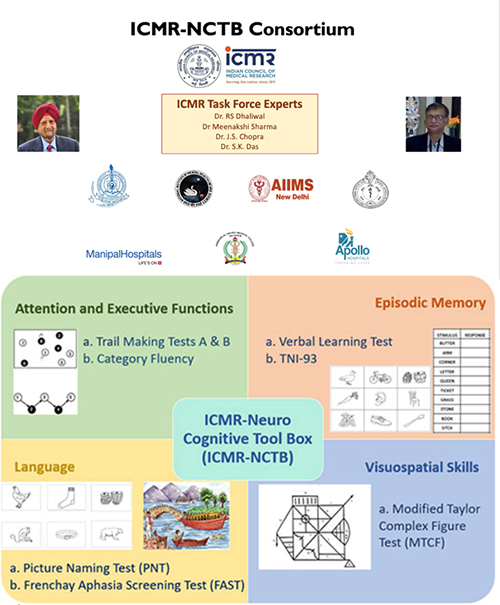
Project Title: Development and Validation of a Comprehensive Clinical And Neuropsychological Test Battery for use in the Indian context for patients with Vascular Cognitive Impairment
Funding body: Indian Council For Medical Research
Period: 2012 to 2019
About the project:
The Indian Council of Medical Research – Neurocognitive Tool Box (ICMR-NCTB) was developed by a multicentric nationwide group of multidisciplinary team of experts to meet demands for a standardized set of cognitive tests that is culturally appropriate and available in different languages for our country. The project was coordinated by Suvarna Alladi, at Nizam’s Institute of Medical Sciences and National Institute of Mental Health and Neurosciences.
The ICMR-NCTB is made available for clinical and research purposes to diagnose dementia. The ICMR-NCTB has been standardized across 5 languages (Hindi, Bengali, Telugu, Kannada, and Malayalam). It yields scores across various cognitive domains including attention and executive function, episodic memory, language, visuospatial ability, unilateral spatial neglect, and behavioral scales. The battery has been validated for use to diagnose dementia, Mild Cognitive Impairment, Vascular Cognitive Impairment, as a screening tool for aphasia and has developed recommendations for neuropsychological testing for bilinguals in the context of Indian languages.
Pictures: Attached
Website link: http://brandp.in/icmr/index.html
For permissions: http://brandp.in/icmr/downloads/permission_ICMR-NCTB.pdf
Publications
1.
Standardising Dementia Diagnosis Across Linguistic and Educational Diversity: Study Design of the Indian Council of Medical Research-Neurocognitive Tool Box (ICMR-NCTB).
Iyer GK, Paplikar A, Alladi S, Dutt A, Sharma M, Mekala S, Kaul S, Saroja AO, Divyaraj G, Ellajosyula R, Ghosh A, Hooda R, Justus S, Kandukuri R, Khan AB, Mathew R, Mathuranath PS, Menon R, Nandi R, Narayanan J, Nehra A, Padma MV, Pauranik A, Ramakrishnan S, Sabnis P, Sarath L, Shah U, Tripathi M, Sylaja PN, Varma RP, Verma M, Varghese F; ICMR Neurocognitive Tool Box Consortium.
J Int Neuropsychol Soc. 2020 Feb;26(2):172-186. doi: 10.1017/S1355617719001127. Epub 2019 Dec 12.
PMID: 31826780
2.
Validation of Indian Council of Medical Research Neurocognitive Tool Box in Diagnosis of Mild Cognitive Impairment in India: Lessons from a Harmonization Process in a Linguistically Diverse Society. Menon RN, Varghese F, Paplikar A, Mekala S, Alladi S, Sharma M, Aralikatte Onkarappa S, Gollahalli D, Dutt A, Ghosh A, Dhaliwal RS, Hooda R, Iyer GK, Justus S, Kandukuri R, Kaul S, Banu Khan A, Nandi R, Narayanan J, Nehra A, Vasantha PM, Pauranik A, Mathew R, Ramakrishnan S, Sarath L, Shah U, Tripathi M, Padmavathy Narayana S, Varma RP, Verma M, Vishwanath Y.
Dement Geriatr Cogn Disord. 2020;49(4):355-364. doi: 10.1159/000512393. Epub 2021 Jan 7.
PMID: 33412549
3.
Bilingualism and Its Implications for Neuropsychological Evaluation. Paplikar A, Alladi S, Varghese F, Mekala S, Arshad F, Sharma M, Saroja AO, Divyaraj G, Dutt A, Ellajosyula R, Ghosh A, Iyer GK, Sunitha J, Kandukuri R, Kaul S, Khan AB, Mathew R, Menon R, Nandi R, Narayanan J, Nehra A, Padma MV, Pauranik A, Ramakrishnan S, Sarath L, Shah U, Tripathi M, Sylaja PN, Varma RP, Verma M, Vishwanath Y; ICMR-NCTB Consortium.
Arch Clin Neuropsychol. 2021 Nov 20;36(8):1511–1522. doi: 10.1093/arclin/acab012. Epub 2021 Mar 27.
PMID: 33772268
4.
Validation of ICMR Neurocognitive Toolbox for Dementia in the Linguistically Diverse Context of India. Verma M, Tripathi M, Nehra A, Paplikar A, Varghese F, Alladi S, Narayanan J, Dhaliwal RS, Sharma M, Saroja AO, Arshad F, Divyaraj G, Ghosh A, Manae TS, Mekala S, Menon RN, Hooda R, Iyer GK, Sunitha J, Kandukuri R, Kaul S, Khan AB, Mathew R, Nandi R, Padma MV, Pauranik A, Ramakrishnan S, Sarath L, Shah U, Sylaja PN, Varma RP, Vishwanath Y.
Front Neurol. 2021 Oct 18;12:661269. doi: 10.3389/fneur.2021.661269. eCollection 2021.
PMID: 34733226 Free PMC article.
5.
MoCA in five Indian languages: A brief screening tool to diagnose dementia and MCI in a linguistically diverse setting. Kaul S, Paplikar A, Varghese F, Alladi S, Sharma M, Dhaliwal RS, Goyal S, Saroja AO, Arshad F, Divyaraj G, Ghosh A, Iyer GK, J S, Khan AB, Kandukuri R, Mathew R, Mekala S, Menon R, Pauranik A, Nandi R, Narayanan J, Nehra A, Padma MV, Ramakrishnan S, Sarath L, Shah U, Tripathi M, Sylaja PN, Varma RP, Verma M, Vishwanath Y, Consortium ICMRCTB.
Int J Geriatr Psychiatry. 2022 Oct;37(10). doi: 10.1002/gps.5808.
PMID: 36069187
6.
Evaluation of Vascular Cognitive Impairment Using the ICMR-Neuro Cognitive Tool Box (ICMR-NCTB) in a Stroke Cohort from India. Kaul S, Goyal S, Paplikar A, Varghese F, Alladi S, Menon R, Sharma M, Dhaliwal RS, Ghosh A, Narayanan J, Nehra A, Tripathi M; ICMR-NCTB Consortium.
Ann Indian Acad Neurol. 2022 Nov-Dec;25(6):1130-1137. doi: 10.4103/aian.aian_755_22. Epub 2022 Dec 3.
PMID: 36911460
7.
A Screening Tool to Detect Stroke Aphasia: Adaptation of Frenchay Aphasia Screening Test (FAST) to the Indian Context. Paplikar A, Iyer GK, Varghese F, Alladi S, Pauranik A, Mekala S, Kaul S, Sharma M, Dhaliwal RS, Saroja AO, Dharamkar S, Dutt A, Divyaraj G, Ghosh A, Kandukuri R, Mathew R, Menon R, Narayanan J, Nehra A, Padma MV, Ramakrishnan S, Ravi SK, Shah U, Tripathi M, Sylaja PN, Varma RP; ICMR Neuro-Cognitive Tool Box Consortium.
Ann Indian Acad Neurol. 2020 Sep;23(Suppl 2):S143-S148. doi: 10.4103/aian.AIAN_499_20. Epub 2020 Sep 25.
PMID: 33343139
Clinical Trials:
Project Title: Preventive and therapeutic modality of Plasmapheresis in Alzheimer's disease with Replacement by Albumin for target Management of neuropathology in mild to moderate illness (PARAM)
Funding Body: Indian Council for Medical Research
Principal Investigator - Dr. PARMATMA PRASAD TRIPATHI, Assistant Professor, Department of Transfusion Medicine and Haematology, NIMHANS
Co- Principal Investigators: Dr Suvarna Alladi, HOD & Professor, Department of Neurology, Dr Vijay Kumawat, Associate Professor, Department of Transfusion Medicine &Haematology, Dr Faheem Arshad, Assistant Professor, Department of Neurology, Prof Thennarasu K Kandavel, Department of Biostatistics, NIMHANS.
Period: 2024- 2027
About the project:
Dementia is a condition that leads to a gradual decline in brain function, affecting memory, reasoning, and decision-making, which can make everyday activities challenging. According to the World Health Organization (WHO), around 50 million people worldwide live with dementia, and nearly 10 million new cases are diagnosed each year. The most common type of dementia is Alzheimer’s disease (AD), which is linked to the buildup of harmful substances like amyloid beta in the brain. Current treatments mainly focus on managing symptoms with medication, but they do not directly address the underlying causes of the disease. Scientists are exploring new ways to slow or prevent the formation of amyloid plaques by targeting different stages of their development. One promising approach is therapeutic plasma exchange (TPE) with albumin replacement, which works by removing harmful substances from the blood and rebalancing amyloid beta levels between the brain and bloodstream. This process may also help regulate the immune system and clear out other toxic proteins that contribute to Alzheimer’s progression. The PARAM trial is designed to study the effects of low-volume plasmapheresis with albumin replacement in Alzheimer’s patients of Indian origin. The goal is to see whether this treatment can help reduce harmful accumulations in the brain, support immune function, slow cognitive decline, and improve overall quality of life. The study includes two participant groups: one undergoing therapeutic plasma exchange (TPE) with albumin replacement and the other receiving institutional standard disease management. Patients are constantly monitored at 3 time points including follow up using MRI scans, biomarker tests, and cognitive assessments. The PARAM trial is a major step toward developing innovative treatment options for Alzheimer’s disease. By targeting amyloid beta and other harmful substances in the blood, this approach could offer a new way to slow the progression of the disease and improve patients' quality of life.
Publications
1. Tripathi PP, Kumari S, Prabhat N, Lamba DS, Hans R, Goyal MK, Lal V, Sharma RR. Effectiveness of therapeutic plasma exchange in case of rare neurological disorder Isaacs syndrome. Asian J Transfus Sci. 2023 Jan-Jun;17(1):117-120. doi: 10.4103/ajts.ajts_88_21. Epub 2022 Dec 12. PMID: 37188026; PMCID: PMC10180792.
2. Kumawat V, Tripathi PP, Patidar GK. Therapeutic apheresis and non‐blood donor related apheresis current practices at various blood centres of healthcare organisations of India: A brief online survey. Transfusion Medicine. 2021 Nov 26.
3. Tripathi PP, Sharma RR, Chhabria B, Hans R, Sehgal IS. Therapeutic Plasma Exchange: A Lifesaving Therapy in Case of ANCA-associated Vasculitis with Diffuse Alveolar Hemorrhage. Indian J Crit Care Med 2021;25(7):828–829.
4. Tripathi P.P, Sharma R.R., Hans R, Lamba DS, Paul P , Sankhyan N, Bhagwat C, Singh P. Role of plasma exchange in steroid and IVIG refractory patient with acute disseminated encephalomyelitis- A case Report. Transfus Med Hemother. 2020 Oct;47(5):420-423. doi: 10.1159/00050498
5. Kumari S, Tripathi P.P , Sharma R.R, Hans R , Lamba D.S., Khadwal A , Singh. C . Efficacy of Therapeutic Plasma Exchange in a Patient With Coagulation Inhibitors (Acquired Haemophilia A) - A Case Report. Transfus Apher Sci. 2020 May 24;102809. doi: 10.1016/j.transci.2020.102809.
Project Title: “Cognitive Level Enhancement through Vision Exams and Refraction: A randomized controlled trial to assess impact of near and distance spectacles on reducing rates of cognitive decline with aging in community dwelling older people in India”
Funding body: Wellcome Trust, UK
Chief Investigator: Prof Nathan Congdon
Co-Principal Investigators: Dr Rohit C Khanna , LV Prasad Eye Institute, and Prof Suvarna Alladi, NIMHANS
Period: 2024 to 2029
About the project:
The association between vision loss and cognitive decline and dementia, while consistent and strong, is not well understood, and various causal pathways have been posited. These include common neurodegenerative or microvascular aetiology, increased cognitive load, and limited social contact and physical activity due to poor vision, each independently shown to elevate the risk of dementia. Studies investigating the role of vision correction in slowing cognitive decline will have a significant impact in developing strategies to reduce the burden of dementia. The primary objective of this study is to assess the impact of glasses for distance and near on the cognitive decline among the community-dwelling elderly in India and to assess the impact and cost-effectiveness of glasses for distance and near on the quality of life, falls, depression, social interaction, and physical activity among the community-dwelling elderly in India. CLEVER study is part of ENGINE (Eyecare Nurtures Good-health, Innovation, driviNg-safety and Education), the first research project to explore how eyecare can drive progress towards achieving the Sustainable Development Goals.
CLEVER study summary:
https://www.qub.ac.uk/sites/media/Media,1281702,smxx.pdf
CLEVER website: https://www.qub.ac.uk/sites/engine-vision/CLEVER/
Conferences:
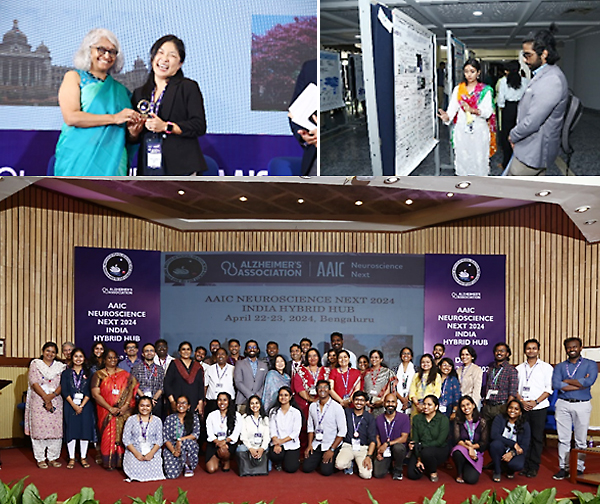
Title: AAIC Neuroscience Next 2024: India Hybrid Hub
Funding body: Alzheimer's Association International Conference (AAIC)
AAIC Neuroscience Next India Committee: Suvarna Alladi (Chair) , Keerthana BS (ECR, Subasree Ramakrishnan, Ganesh Chauhan, Phalguni Alladi, Faheem Arshad, Rashi Kumar (ISTAART Ambassador)
The AAIC Neuroscience Next India Hybrid Hub 2024 was successfully held at NIMHANS, Bengaluru, on April 22nd-23rd, 2024. Hosted for the first time in India, the conference brought together leading scientists, clinicians, care providers, and researchers from diverse fields, including neuroscience, genetics, basic sciences, and clinical neurology. The event underscored the significance of interdisciplinary and translational research in advancing dementia studies in India.
The conference featured over 40 national experts from esteemed institutions across India, discussing cutting-edge research and innovations in multidisciplinary neuroscience. The event welcomed 200+ participants, including undergraduate and postgraduate students, neurology residents, PhD scholars, post-doctoral fellows, research associates, neuropsychology students, and consultants. Attendees came from diverse disciplines such as neurology, neuropsychology, cognitive science, speech pathology, psychiatry, neuroimaging, genetics, and palliative care. The plenary presentation by Dr. Jennifer Yokoyama, UCSF on genetic diagnoses of Alzheimer’s and Frontotemporal Dementia was a key highlight, streamed globally. Poster presentations showcased research in neurosciences, clinical care, therapy, cognitive science, and neurogenetics, with awards for the best submissions.
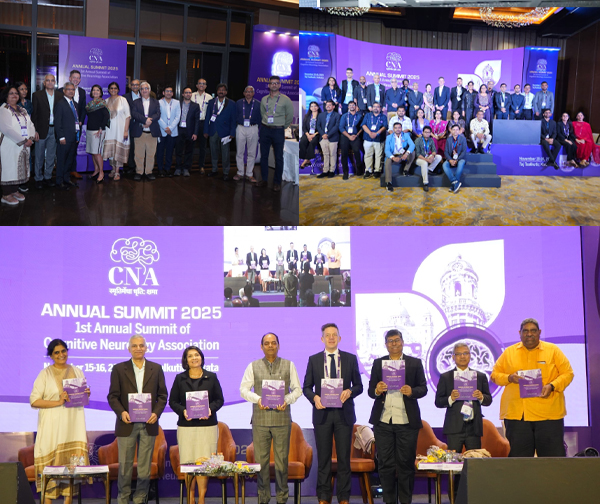
Title: Cognitive Neurology Association (CNA) First Annual Summit 2025
Partnered By: Alzheimer's Association, World Dementia Council, Indian Association of Neurology, Bengal Cognitive School
CNA Executive Committee: Dr. Amitabha Ghosh (CNA President and Organizing Chairman), Dr. Atanu Biswas (Vice President, CNA and Organising Secretary), Dr. Suvarna Alladi (Secretary, CNA), Dr. Faheem Arshad (Joint Secretary, CNA), Dr. Sinjan Ghosh (Joint Organizing Secretary), Dr. Goutam Das (Treasurer), Dr. Dhiman Das (Joint Treasurer)
The First Annual Summit of the Cognitive Neurology Association (CNA) was successfully held at Hotel Taj Taal Kutir, Newtown, Kolkata, on November 15th-16th, 2025. The summit brought together eminent neurologists and experts in cognitive neurology from India and abroad to discuss advancements in the diagnostics and therapeutics of Alzheimer's disease and other neurodegenerative dementias, marking a significant step forward for the newly formed Association.
The summit featured plenary sessions, panel discussions, and case-based discussions centered on making sense of biomarkers, the reality of prevention, and preparing for anti-amyloid therapies, alongside conversations on developing robust support systems for dementia care. Attendees gained first-hand insights from world experts on the administration of disease-modifying therapies in Alzheimer's disease. The event underscored CNA's commitment to fostering collaborative, translational research and a multidisciplinary, holistic approach to dementia care in India.